
How to brand your blog for success (& to look pretty!)
“A brand is a name, term, design, symbol, or any other feature that identifies one seller’s good or service as distinct from those of other sellers” (American Marketing Association).
“Your brand is what people say about you when you’re not in the room’
There’s a lot of talk online about branding. At one time branding was considered a businesses logo and that was pretty much it. In today’s business world, branding is a while lot more. Branding is everything you say and do online, even the image people have of you and your company is related to branding.
Think of the golden arches (McDonalds). You know what those arches signify, you know what the restaurant will look like, how the staff will be dressed and the food which will be on offer. You have an expectation, because you are familiar with the McDonalds brand.
Obviously through your branding, you want your ideal reader/customer to see you as the best choice over your competition. However, ideally you want your branding to make you feel like you are the only sensible choice. The only option.
Great branding will:
- Make you appear credible.
- Connects your audience to you and your product emotionally.
- Makes your audience want to ‘buy-in’ to your brand.
- Projects your message.
Where do you start?
The first step is to be really familiar with your audience’s needs, desires and pain points.
Great branding should be at the intersection between what represents you as the business owner and what will resonate with your ideal audience. Done right your branding can accurately reflect you and your message to the world, while also being exactly what your ideal readers are looking for.
Consistency is key
Your audience will start to trust you a lot more if your branding is consistent. Creating a consistent look and feel to every part of your brand online takes effort, but the pay off should not be underestimated.
Create a blog style guide and stick to it
A style guide details all the aspects that feed into your branding. Creating one single document which you can then refer back to every time you create content make sure you stay on brand.
This style guide will include colour palette, fonts choices, graphics elements, and also how you write certain words, whether you capitalise headers etc. When you have this style guide you need to make sure you keep referring back to it. It’s included in my SubHub, so pop over and sign up for free.

Your next steps.
Take time to examine your current branding. Are you audience connecting with you brand? What seems like a good fit? What your branding sum up what you’re about and what you offer your audience? What about new audience members will they be able to understand your brand?
So, if any of these areas feel weak, then this is where you need to focus your attention first.
How to brand your blog
Your blog/biz name
Names are so important. Some of us have a name and then feel a bit stuck with it, but in reality it is never too late to change. There just might be some negative aspects (such as a drop in Domain authority). Ideally, your name should reflect what your blog is about and
Your web url
Carefully select your url. Having it as close as possible to your blog name is really important. Personally, I think .com is preferable. Unless you are focusing on the UK market or are for a specific UK area, such as my awesome friend Ceri from thiswelshmother.co.uk This just makes sense to be .co.uk. Sometimes you might find that both .co.uk and .com are not available. In this case I would go for .co, which is becoming increasingly popular. For me .net and other variations don’t seems as professional.
Logo
Your logo could be professionally designed by a third party or knocked-up yourself in Canva, there’s no judgement here! It could have graphic elements or simple typography, but it must ‘fit’ with your brand’s ethos.
Blog tagline
A tagline can give immediate context and it can help you clarify who you’re for and what your content will be about. It can also add personality. Taglines can also be handy to help your readers when your blog name isn’t 100% on brand.
Using my main brand as an example, You Baby Me Mummy. I started my blog literally as a memory book online, so the name didn’t matter to me. Over the year my blog has grown and it’s focus has grown and shifted to content about blogging and being a mamapreneur. Which doesn’t naturally ‘fit’ with my blog name. However, the site has great rankings and in 2017 hit number 1 in the Tots100 rankings for the first time and it has a Domain Authority of around 50 depending on the month. Therefore, to change name and url for me would be costly.
This is where my tagline can be used to help those people who do land of my site. ‘Leading the Mamapreneur Revolution’ gives a glimpse of what my blog is about and ties this brand into my second brand The Mamapreneur Revolution. So while it’s not ideal, it’s good enough.
Header
The header is the combination of your logo and tagline. It’s such an important aspect of your blog. It’s the first thing people will see when they land on your site and so it needs to be right. It needs to show your personality and give a hint of what you’re about, but remain professional and not too clip-arty! Also don’t clutter your header. It needs to be clear.
Theme
Your theme can be an important part of your blog and so you should make sure the one you choose is right for your needs (not just the one everyone else seems to be using!). The right theme will allow you to present your content in a way that makes sense and will have an effect of reader experience. So it’s worth getting this right.
You should also bear in mind how bulky the theme is. The more bells and whistles it has then the higher the chances are that this could slow down your blog.
Themes can also be made to look very different, with colour schemes, fonts, layout choices and images. A great tip is when you’re thinking of purchasing a theme to head over to Pinterest and just search the name of the theme. This will give you lots of different customisations that people have made and so you’ll have a better idea of the options.
Voice
I’ve spoken previously about how important it is to find your voice and then to use it. Your ideal reader needs to hear you and will only resonate with the real you if you show this! Your voice is so powerful and is the factor which will set you apart from everyone else out there because no-one is you.
Fonts
I’m going to dive deeper into blog design next week, so for this post I’ll keep things simple. The most important factor when selecting the fonts for your site is are the legible? You may close a serif font (with the little feet on the letters) or a more modern sans serif. The choice is yours, you can also obviously mix the two types of fonts.
Colours
The colours you pick need to be consistent and again represent the image you wish to project. I’ll delve deeper next week, but for now you want to choose 3-5 colours that work together. You won’t use all of them in everything you create, but you can use them when necessary, even if it is just to use as an accent colour. coolors.co is an awesome site which makes finding colours palettes really easy and fun!
Patterns
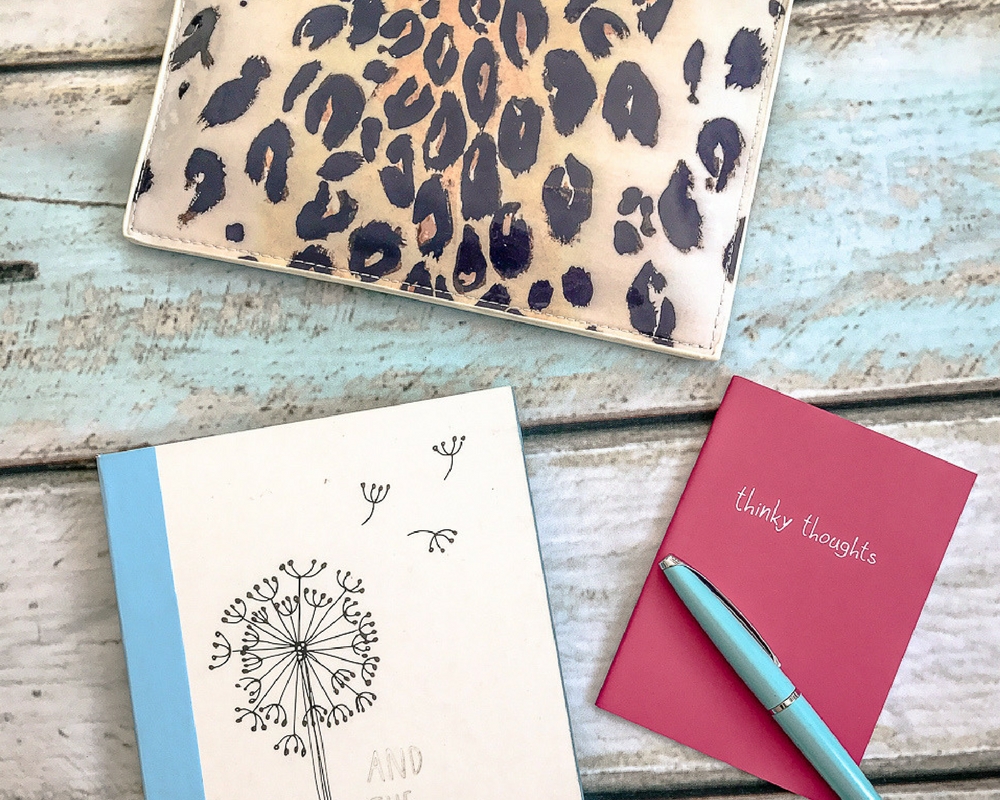
You might love leopard print and so you might choose a pattern that again you can use on occasion as an accent.
Photographs
All your photographs should have the same style and in a perfect world the same edit. This isn’t always possible as we learn as we go and our style evolves. This is what we should be aiming for. We don’t want someone to read a current post and then click to an older post and wonder if they’re still on the same site. Consistency is key. Your photos should be as wide as your theme allows.
Graphics
Your graphics should be consistent to and stay on brand. I you’re creating an elegant and professional brand and then randomly drop a gif in a post, it will stick out like a sore thumb. Any social media graphics should be consistency and reflect your branding.
Post layout
Document how you are going to lay posts out, which headers will you include? How many pictures will you include? If you include a video where will it go? Will your pin be positioned right at the bottom?
Your language
Are you going to write in a really relaxed manner or are you more professional in the way you communicate. Which words do you often use in real life? Keep a note of these to include in your copy. This language needs to be kept consistent across all of your social media platforms and communication in general.
As you can see ‘branding’ includes so many factors. However, by nailing these areas and creating a style guide to keep you on track and being able to maintain this consistency, you will creating an epic stand-out brand.
Do you think you’ve nailed your branding or are there any areas you need to work on?
.

Comments 6
I’m a designer and blogger at the same time. The list which you shared is great for all new blogger. In my point of view the font and colors selection makes any blog standout in crowd. Blogger needs to think about reader perspective always select smooth color and font should be readable. Anyway very nice post and keep up the good work.
I’ve had to pare back my obvious branding – I’ve gone from ‘vintage parties and fashion’ (bright, jazzy etc) to local thrifty reviews with a pared-back, note book style.
I have to resist going mad on canva or photoshop when I know the ‘look’ needs to match the local style (lo fi, low key, typography based).
Makes it easy to be consistent though, having a monochrome palette lol.
Great post! Very useful.
Brilliant post. I’m an author and blogger and it took me a while to pull my brand together. Wish I had known this all before
This is so interesting Aby. I’ve been thinking a lot about my “brand” and I think consistency is so important. I need to look at my theme and try and make my blog look as professional as possible.
Very nice post. Creating a good blog requires some serious efforts to get the best outcome. I have not yet started blogging but planning to start a new blog in this month. Your methods are very interesting and actionable for my work.