

In the 21st century our children are more exposed to people from different cultures, countries, religions, ethnicities and abilities than ever before. Helping your child to be accepting of such differences is so important.
Children are excited by novelty, playing with new toys and meeting new friends. However, they also thrive on familarity, so it is important to teach them acceptance when they are young.
Pre-school children learn by modelling, they watch and then imitate. So it is vitally important that parents act as they wish their children to.
Pre-school children are full of “why?” questions. Often these questions will be about why someone looks different or does something different. Answer these questions honestly and if you don’t know the answer or you’re a bit flummoxed then it’s absolutely fine to say “you know what, I don’t know. I’ll have a think about it and then we can chat about it more, later on this afternoon”.
Dr Angharad Rudkin is a clinical psychologist and Associate Fellow of the British Psychological Society
Children take comfort in being the same as others, so it is important to show your children that although people might speak differently or look different, that there are still similarities. Children should be facilitated to mix with a wide range of people so they become confident around people who might be different from them.
Children also learn about difference by playing with a variety of toys. For example, the VTech Toot-Toot friends range has a mix of girls and boys, all having different strengths. Toys like this teach children to empathise with a wide variety of people. This experience will then be transfered to real life.
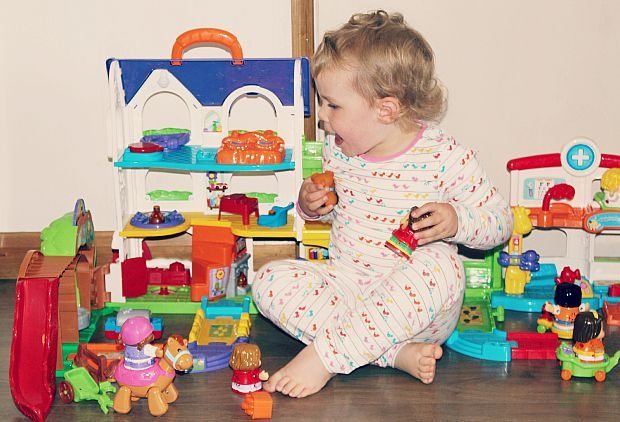
Children have a strong need to be accepted and to fit in to their group. As children grow up this need intensifies peaking in adolescence.
Parents need to acknowledge this need to be like others in order to fit in, but also help your child to understand that they are loved and accepted for who they are, as someone unique. (Angharad)
A good idea is to use stories and TV programmes as a way to start talking to your child about similarities and differences differences and the importance of accepting yourself.
Disclosure: This is a collaborative post.
Comments 1
It is so important to get kids off to the right start. They do model what they see. Most often children are fine with any differences and play with all sorts of kids without discrimination. Given how often this has changed by time they are older it seems likely, often, the problem isn’t so much modeling good behavior (without which the kids will be bad) but model bad behavior (which the kids model and become bad).
Of course it isn’t so simple. I think you need to not only model good behavior but “inoculate” them against the tendencies they will see to pick on others for being different. It is sad how much work will still have to do in making our society able to judge people on their behavior instead of the category people are lumped into.