
Do you have a best friend? Did you have a best friend when you were at junior school? What about secondary school? If you are anything like me you won’t have the same best friend now, that you had when you first started developing important friendships.
The idea of ‘best friends’ can be interpreted differently from person to person; you could even have a couple of best friends. So many factors can influence who a toddler holds as their best friend; they might not even have one.
A best friend to a toddler may be someone who plays the same games that they do, or someone who they see twice a week, or someone who they look like. They will talk about their best friend a lot, want to say goodnight to them as they go to sleep, or want to have things that their best friend does.
Dr Angharad Rudkin is a clinical psychologist
When I think about Baby’s friends, specifically those who I think she would consider as her ‘best friends’, the friendships started due to friendships I had with the children’s mothers. So this would indicate they have developed from exposure and opportunity, breeding familarity and friendship.
Baby’s two best friends are T and D. It is gorgeous to witness their friendships, even at such an early age.
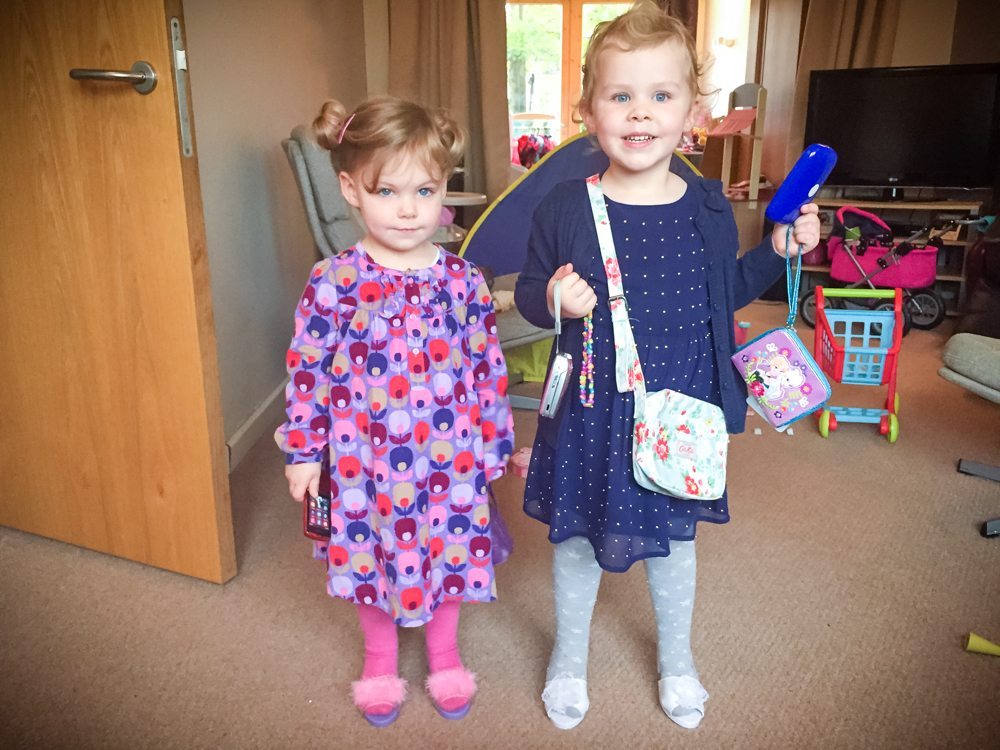
Baby and T, who have been friends since they were four months old.
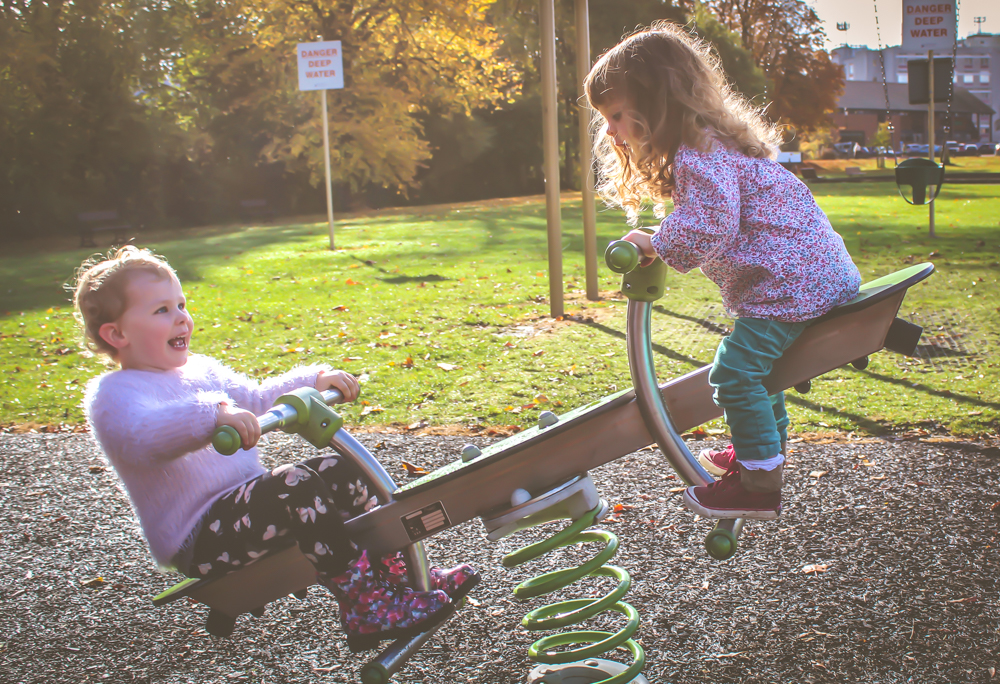
Baby with D, who she has also know since she was about 4 months old.
Since Baby started Nursery she has developed another special friendship, with another girl of a similar age.
Strong friendships often develop when a child is in a situation without their parent (e.g. nursery or child minder). Usually, it is the parent who acts as a safety blanket for their child – someone that their child turns to if they’re feeling unsure, someone who can give reassurance and encouragement. If a parent isn’t there, children will turn to other children for some of this support.
Dr Angharad Rudkin is a clinical psychologist
Children and adults are surprisingly similar in terms of their friendships. We all have friends who, despite maybe being our best friends, still annoy us every now and then; that’s just human nature. We can’t get on with all the people all the time. However, friends move on, friends forgive and friends don’t hold grudges. Children’s friendships are just the same.
Children can also rehearse how to make up with friends by playing with dolls or figures such as the VTech Toot-Toot friends. Children, for example, can pretend that the Toot-Toot friends have had a disagreement before helping them to make up. Such imaginary play helps children to build up their confidence in making and keeping friends.
Dr Angharad Rudkin is a clinical psychologist
As your child develops their ‘making friends’ skills will also improve, so they will rely less and less on your help as a parent. There may be bumps along the way, but as parents it’s our job to support, advise when asked and pick up the pieces if things don’t work out.
Does your child have a best friend? Do you still have the same best friend that you did as a child?
Disclosure: In collaboration with Vtech.