
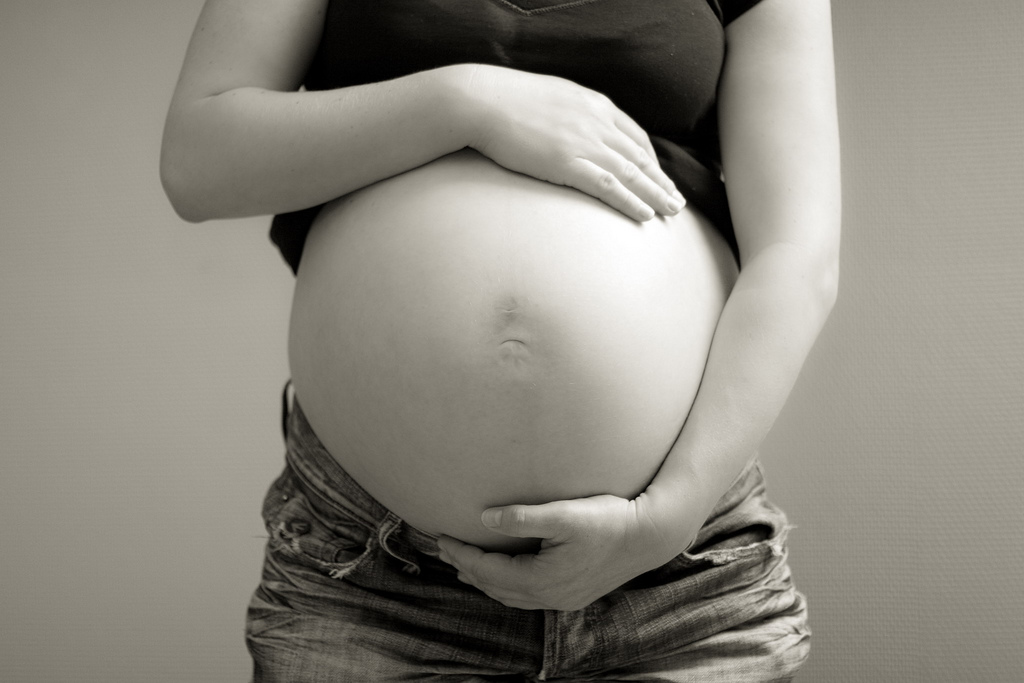
Gaining weight during your pregnancy is a healthy and positive sign – so long as your weight gain is within the healthy range. For most mums-to-be, eating healthily and taking regular exercise should be enough to maintain a healthy weight during the first and second trimesters. However, the third trimester of your pregnancy will require every ounce of energy you can muster. This means it’s a good idea to be aware of what constitutes a healthy weight – and how you can manage it.

How much should you be eating during the third trimester of your pregnancy?
The answer to this question is pretty much what you always eat, plus an additional 300 calories or so. Contrary to popular belief, pregnant women don’t have to make drastic changes to their diet – as long as they enjoy a healthy, well-balanced diet that contains all of the essential nutrients and minerals the body needs. While you might have heard the term ‘eating for two’ a lot recently, you won’t need to eat anywhere near that amount to ensure you and your baby remain healthy. Around 20% of your calorie intake should come from fat, but you should be eating your fair share of carbohydrates and protein too.
What constitutes healthy weight gain during pregnancy?
By the end of your pregnancy, you should have gained between 25 and 35 pounds (assuming your BMI was in the normal range at the beginning of your pregnancy). If you were overweight before falling pregnant, expect to gain between 15 and 25 pounds. And a weight gain of between 35 pounds and 45 pounds is considered normal for women classed as underweight at the start of their pregnancy.
As a very basic rule of thumb, gaining around a pound per week during the final three months of your pregnancy is considered to be normal weight gain. While there will be weeks when you don’t gain any weight, there might well be others during which you gain three or four pounds. As long as you haven’t gained more than 40 pounds during the latter stages of your pregnancy, you shouldn’t worry too much.
Of course, all women are different, and pregnancy can affect women in very different ways. If you are concerned that your present efforts at maintaining a healthy pregnancy weight are failing, there are some things you can do.
Maintain a healthy rate of weight gain through exercise
While exercising during your third trimester is crucial to your weight management efforts, it is important not to overdo things. Don’t start new and particularly rigorous forms of exercise that you’re not used to, but do try to tire yourself out a little.
Believe it or not, one of the most effective ways to get a great workout during the final weeks of pregnancy is taking a brisk walk lasting at least 30 minutes, four times a week. As long as you have a comfortable pair of walking shoes, you should be able to work up a sweat without ever going near a gym. Aim to take around 6,000 to 7,000 steps per day. Other effective ways to exercise during your third trimester include swimming, antenatal yoga and body-weight exercises such as lunges and squats.
If you’re concerned that you’re not getting the exercise you need to maintain a healthy body weight, the Kiqplan pregnancy fitness plan delivers workout plans, recipes and lifestyle tips based on your current level of fitness and your ultimate goal.
Maintaining a healthy rate of weight gain through your diet
The first thing to remember is that gaining weight during the final weeks of your pregnancy is actually crucial to your health and the health of your baby. With this in mind, try to eat little and often in order to keep your metabolism rate up – but be careful not to exceed your recommended daily calorie allowance by more than 400 calories. Keep lots of snacks handy, including hard cheese, dried fruit, raw vegetables unsalted nuts, yoghurt and crackers.
If you’re prone to weight gain, avoid saturated fats in favour of vegetable oils, and opt for low-fat dressings instead of mayonnaise. Make a permanent switch to semi-skimmed milk, and limit your consumption of soft drinks in favour of water, milk and fresh fruit juices. It’s also worth bearing in mind that salt helps to retain water, which can collect around your joints. Limit your use of salt during cooking, and try to get out of the habit of adding salt to your meals.
If you’re worried you’re not gaining enough weight, eat peanut butter with your crackers and raw vegetables, and consider adding a little butter to your meals wherever possible. But always try to consume the extra 300 or 400 calories your body needs through healthy, home-cooked foods, as convenience foods and ready-meals are often laden with salt, sugar and saturated fat.
Most women will gain weight naturally during the course of their pregnancy, and as long as this doesn’t exceed 30 or 40 pounds, putting on weight is usually a sign of a happy and healthy pregnancy.
Disclosure: This is a collaborative guest post.