
If you’re looking for a holiday destination that offers the perfect mixture of fun and education for anyone, Luxor could be it. Located on the banks of the Nile, the city is steeped in history and is home to some of the most impressive temples and archaeological sites not only in Egypt, but across the entire world. It’s little wonder then that this mecca for discerning vacationers has been dubbed the world’s greatest open-air museum.
This area used to be home to the ancient Egyptian capital. Thanks to its many monuments and treasures, it has been attracting Western visitors since the 18th century. Here are just a few of the highlights that you won’t want to miss.
Valley of the Kings
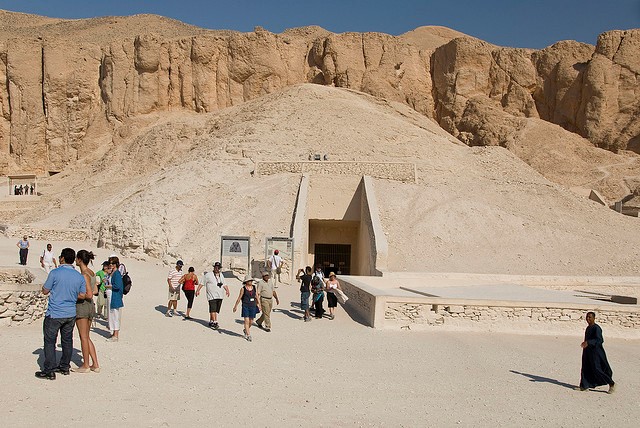
Even those who have never set foot in Egypt have usually heard of the Valley of the Kings, which you can travel to with Saga Travel. Located in the city’s west bank, it was the site of royal burials from around 2100BC and it has an impressive 63 royal tombs. Most of these ornate structures are open to visitors, and a particularly popular spot is the Tomb of Tutankhamun. This is one of the most famous. Discovered by Egyptologist Howard Carter in the 1920s, four of its chambers were packed with jewellery, statues, musical instruments and more.
Luxor Museum
Another must-see is the Luxor Museum. Containing an array of antiquities dating from the end of the Old Kingdom to the Mamluk period, it’s a great place to spend a morning, afternoon or even a full day. The ground floor boasts a gallery containing a number of pieces, including a carved statue of Tuthmosis III and an alabaster figure of Amenhotep III alongside the crocodile god Sobek. Meanwhile, among the delights you’ll find on the first floor are a series of treasures from Tutankhamun’s tomb.
Medinat Habu
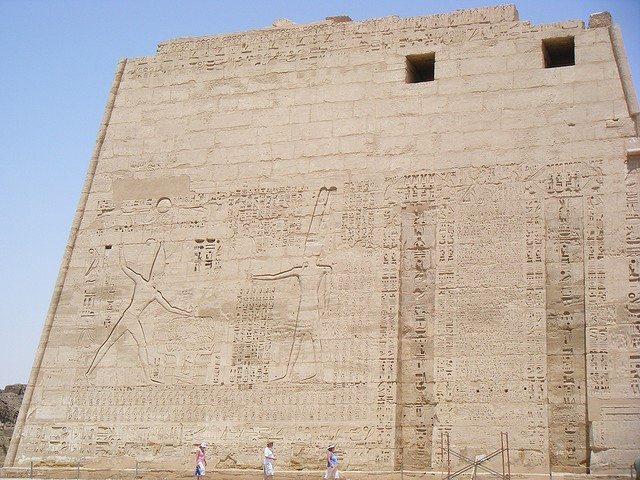
Make sure you add Medinat Habu to your sightseeing itinerary too. Renowned for the huge funerary temple constructed by Ramses III, which dominates the complex, it contains buildings by Hatshepsut and Tuthmosis III, among others. During this temple’s heyday, it featured sites of worship, storage rooms, workshops, administrative buildings and accommodation for officials and priests. It was the area’s economic epicentre for centuries and was inhabited until as late as the 9th century AD. To see the attraction at its best, aim to get there in the late afternoon. The soft light at this time of day lends even more character and mystique to the complex.
 Whatever you see and do in Luxor, you can rest assured you’ll enjoy an action packed holiday and you’ll have the perfect opportunity to immerse yourself in Egypt’s fascinating past.
Images by S J Pinkney and joepyrek, used under Creative Commons license
Disclosure: Post contributed by Saga.