
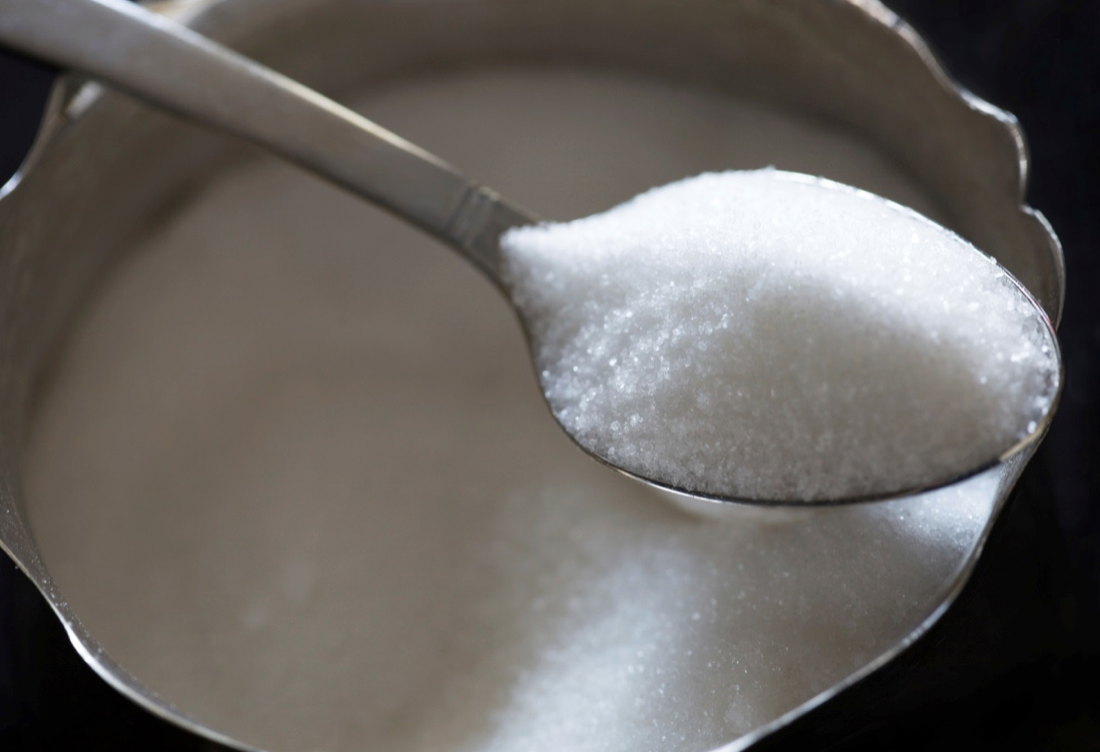
First he came for the Turkey Twizzlers, and now celebrity chef Jamie Oliver is on a crusade against the sugar that he thinks is present to a harmful extent in the food and drink that children throughout the UK consume on a daily basis.
Oliver has taken his case to the government, suggesting that a “sugar tax” would be an effective way of tackling obesity in general – this would help to bring down the high number of heart disease cases throughout the UK – but he has been rebuffed by Prime Minister David Cameron who says that he has no intention of introducing such a tax. This comes despite the idea gaining support from senior Tories including Boris Johnson.

A spokesman for the Prime Minister said that Cameron believes “there are more effective ways of tackling this issue”, but it remains to be seen what those are, and some cynics have suggested that Cameron is worried about upsetting big businesses by making what would undoubtedly be a bold and controversial economical change.
However, all of the evidence suggests that a sugar tax would be a good idea for the average person. Sugar, along with saturated fat and salt, is one of the three biggest killers in our food, contributing to the development of diabetes and the complications that arise along with it in addition to obesity and the subsequent heart-centred health problems which follow that.
It would reduce sugar consumption
According to the NHS, those over the age of 11 shouldn’t have any more than 30g of added sugar (that is, sugar which isn’t found naturally in food) per day. Most of us, unless we take strict care of what we consume throughout the day, probably consume more than that on a regular basis. Think about that piece of birthday cake you had in the office – that’s probably taken you over the line. This invariably puts extra strain on our hearts and cardiovascular systems due to weight gain and eventual obesity in some cases.
Would a sugar tax make you think twice about buying a bottle of Coke or a chocolate bar rather than water or an apple?
It could help save the NHS
Amidst the outcry over potential Conservative plans to systematically dismantle the NHS and what a disaster that would be, we often forget the pressure we put under it, which is why those plans are being formulated. The treatment of diabetes and its associated conditions, for instance, costs the service £14 billion every year.
Introducing a sugar tax would bring the number of people afflicted with diabetes down and make the NHS more economically sustainable – not only would it save money, but that money could then be pumped back into the system (not that it necessarily would be, of course).
It has worked previously
Extra taxation on things that the government wants to cut the usage of, such as alcohol and nicotine, has worked in the past – profits for the tobacco industry, at least, have actually been declining steadily since 1974. The decline has become swifter since the taxation was introduced.
Additionally, Mexico introduced a sugar tax in October 2013 which brought soft drink consumption throughout the country down by 6-12% in two years before the tax was slashed in half. This was due to pressures from the industry, which had had to lay off 1700 people. This is probably another of Cameron’s concerns – negative PR and the possibility of having to make a humiliating backtrack. However, if previous evidence shows that the sugar tax works, what sense is there in not implementing it?
This article was by Alex Sebuliba. You can find Alex on Twitter: @AlexBradnum
Comments 1
I’m a bit two ways on this. While I agree that cutting down the amount of sugar we eat would be beneficial, I think we are taxed on enough as it is. Perhaps there could be some sort of tax, but rather than going to the government, it could be used to help fund food banks or something.
Debbie